There was one Autumn Budget announcement that should get the attention of a lot of independent businesses across London.
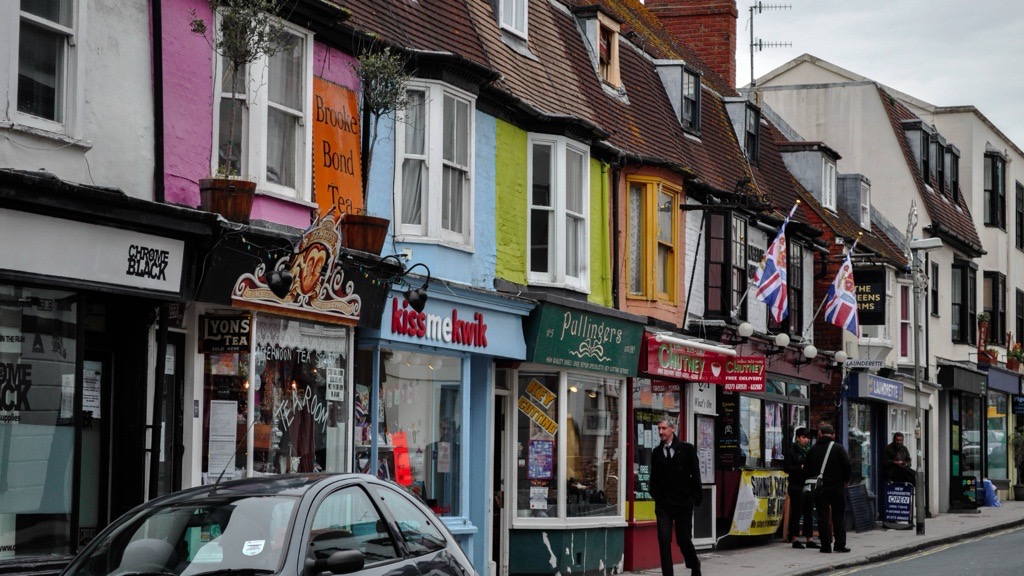
From April 2027, qualifying retail, hospitality and leisure businesses will get 100% Small Business Rates Relief on properties with a rateable value of up to £18,000.
At the moment, full relief stops at £12,000 and then tapers away completely by £15,000.
So, for a lot of smaller and independent shops, cafés, restaurants, salons and leisure businesses, this is real money back into the monthly budget.
So, how much are we actually talking about?
Using the announced 2027 – 2028 retail, hospitality and leisure multiplier, the difference could look roughly like this:
| Rateable value | Annual rates before relief | Monthly cost before relief | Monthly saving under new 100% relief |
|---|---|---|---|
| £13,000 | £5,135 | £428 | £143 |
| £14,000 | £5,530 | £461 | £307 |
| £15,000 | £5,925 | £494 | £494 |
| £16,000 | £6,320 | £527 | £527 |
| £18,000 | £7,110 | £593 | £593 |
At £18,000, that is more than £7,000 a year that could otherwise have gone on business rates.
For a small shop or café, that ~£600 a month is significant.
It might mean another member of staff for a few shifts. More stock. Better equipment. A bit more marketing.
Or simply more storage space.
Space is one of the biggest headaches for local businesses
At Lockit Local Shepherd’s Bush, our team speaks to businesses around West London all the time that have the same problem.
The shop or office is big enough for the actual business, but gradually it fills up with everything else.
Boxes of stock. Packaging. Samples. Seasonal furniture. Marketing material. Equipment. Archive files.
Before long, expensive commercial space is being used as a storeroom.
Taking a bigger shop or office to solve that problem can be a very expensive way of buying storage.
You are not only paying the additional rent. There can also be service charges, utilities and potentially another business rates bill.
That is where the budget saving gets interesting.
What could £300-£600 a month buy you instead?
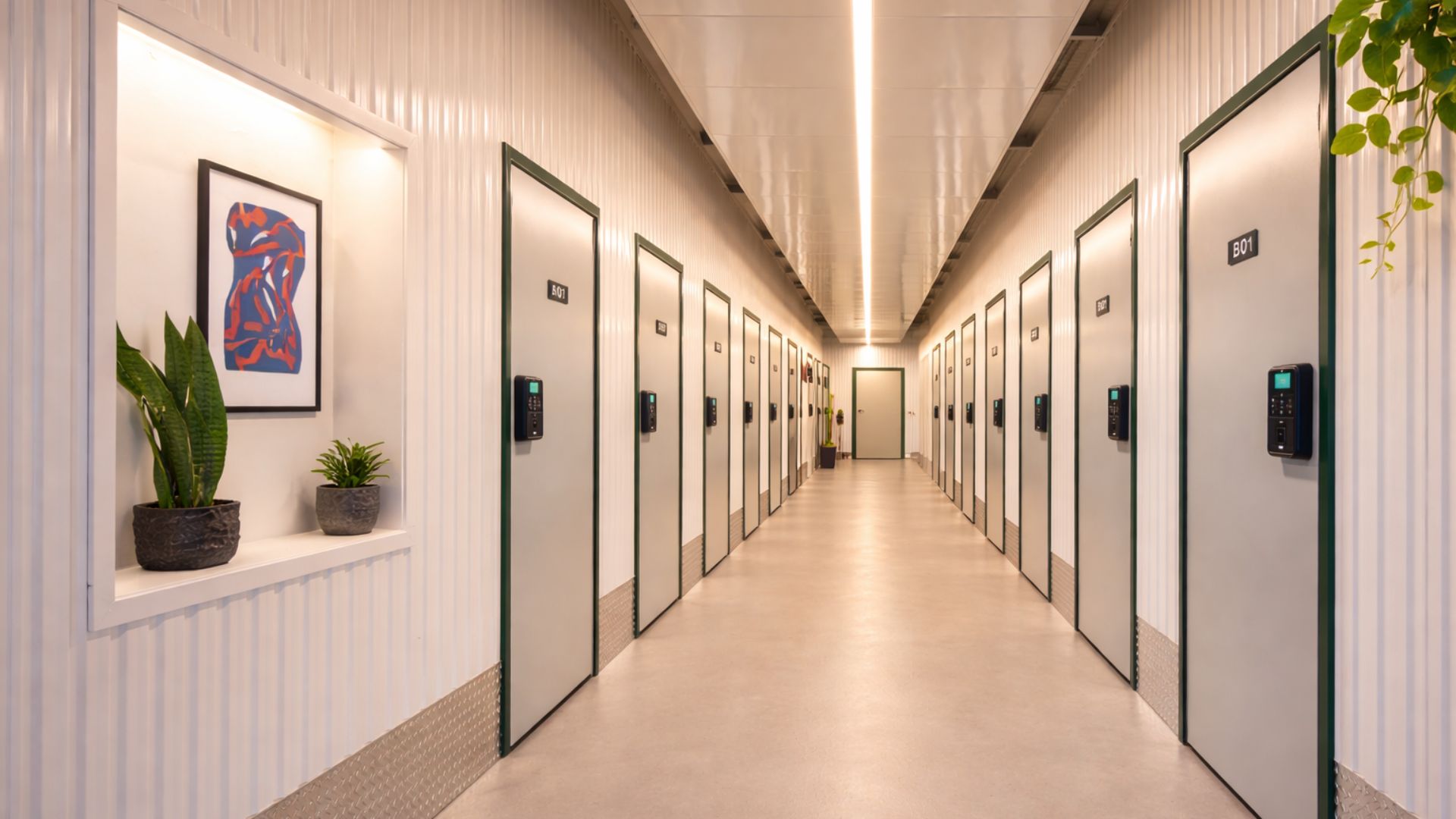
Lockit Local in Shepherd’s Bush offers business storage starting from £70 a month, and with that savings a local business could secure a medium or large spaces (75 – 150 sqft, about the size of a single to double garage) for that same saving.
So a business saving around £300 a month in rates could potentially move a meaningful amount of stock or equipment out of its shop or office and still have money left over. At around £500 to £600 a month, the saving could fund a considerably larger amount of storage.
For a retailer, that could mean keeping more stock nearby without filling the shop floor.
For a café or restaurant, it might mean somewhere for seasonal furniture, supplies or equipment.
For a salon, it could be boxes of products and consumables.
For a creative business, it could be samples, props or equipment that you need regularly but not every day.
The point is not really storage. It’s being able to use your most expensive space for the thing it was actually rented for.
You do not get a separate business rates bill for a normal self storage unit
This is another useful distinction. With a conventional commercial property, the occupier may have their own business rates liability.
In a typical managed self storage facility, the storage customer is not separately assessed for business rates on their individual unit.
The Valuation Office Agency treats the self storage operator as being in control of the facility, with the building generally assessed as a whole.
So using storage can be a very different proposition from taking another small warehouse, office or lock-up.
You get the space without having to take on another conventional commercial property.
One important catch though
The new £18,000 threshold does not apply to every small business.
It is specifically for qualifying retail, hospitality and leisure properties.
For other businesses, the standard Small Business Rates Relief rules remain: full relief up to £12,000 rateable value, tapering down until relief disappears at £15,000.
And so it’s worth checking how your premises are classified rather than assuming the headline applies to you.
A couple of other Budget changes worth knowing about
There were a few other announcements that may matter depending on the type of business you run.
A new Founders’ Relief will introduce a 10% Capital Gains Tax rate on up to £10 million of qualifying lifetime gains from April 2027. It is aimed at founders and early investors in qualifying high growth businesses, so it is not a blanket tax break for every company owner.
Capital allowance rules are also changing. The main writing down allowance falls from 14% to 12%, although the first year allowance for qualifying expenditure rises from 40% to 50%. The £1 million Annual Investment Allowance remains in place, so most smaller businesses investing in qualifying equipment can still get full upfront relief within that limit.
What does all of this mean locally?
For some independent businesses, the business rates announcement could genuinely change the monthly numbers.
If you suddenly have an extra £300, £500 or £600 in the budget, the question is what you do with it.
For businesses already struggling for space, one option is to use some of that saving to create space without moving. Keep the shop for customers. Keep the office for the team. Put the boxes somewhere else.
Sometimes growing does not mean taking bigger premises. It just means getting better use out of the space you already have.
This article is for general information only and is not tax or business rates advice. Eligibility and individual savings will depend on your property and circumstances.